HighIV Macro Policy & Sovereign Debt8 September 2026, Tuesday
UK 30-year gilt yield hits its highest since 1998; Treasury sells 30-year debt at the highest rate in DMO history
The 30-year yield rose to 5.89% on 1 September. On 8 September the Treasury sold 4.25 billion pounds of 30-year gilts at a yield of 5.8168%. Ahead of the 28 October budget, the Chancellor's spending headroom has fallen to about 13 billion pounds.
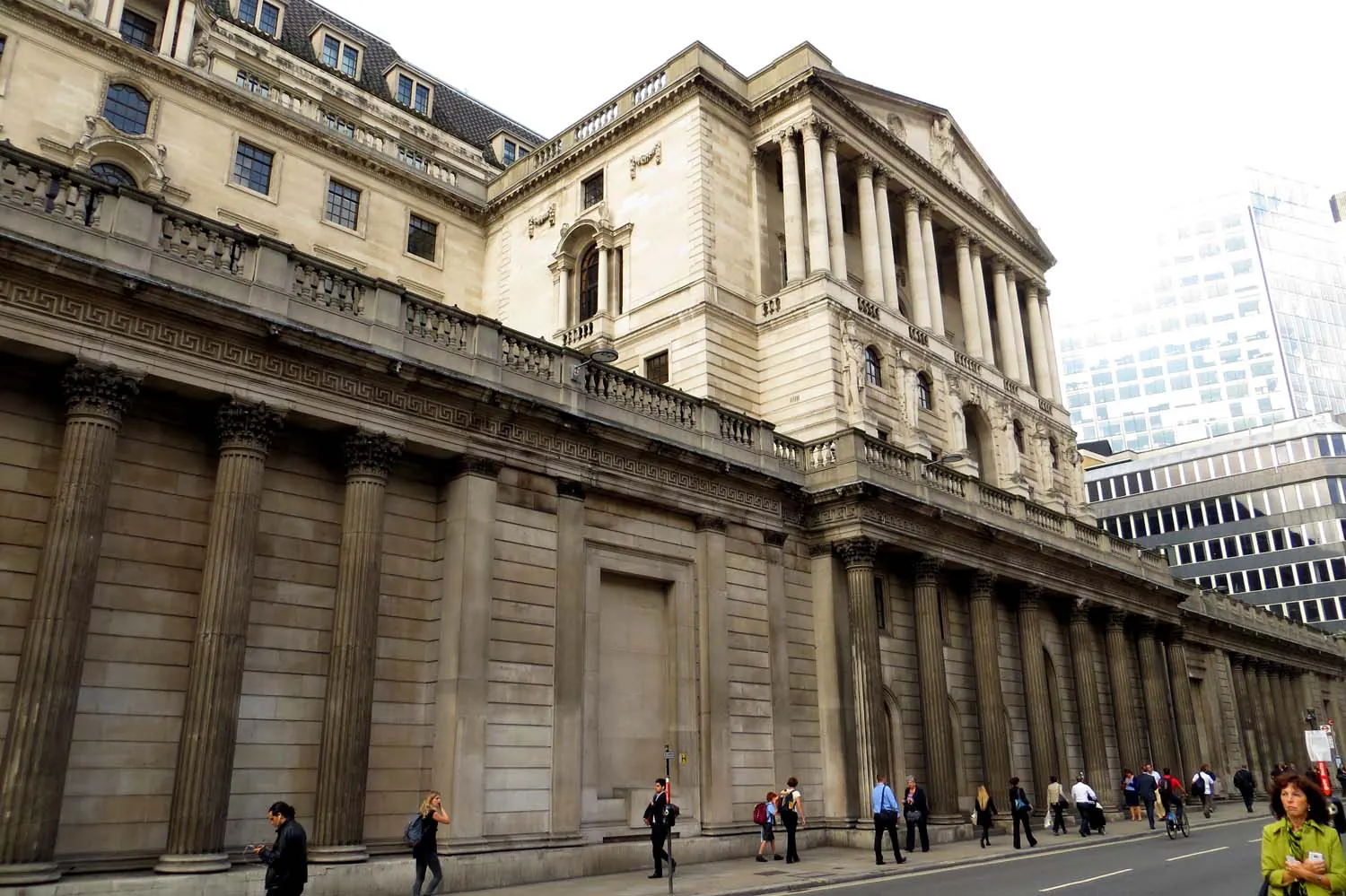
On 1 September 2026 the UK 30-year gilt yield rose 10 basis points in a single session to 5.89%, the highest level since March 1998. The 10-year yield also reached its highest level since June 2008, in a range of 5.22–5.25%. The trigger was a global sell-off that began when Japan's 10-year yield rose to 3.00% on the same day. On 8 September the Debt Management Office (DMO) sold 4.25 billion pounds of the 2056 gilt at a yield of 5.8168%. This is the highest rate since the DMO was established in 1998. Demand exceeded 85 billion pounds. According to Trading Economics, on 16 September the 30-year yield eased to 5.88% and the 10-year yield to 5.30%.
Higher yields feed directly into the interest cost projections of the fiscal watchdog, the OBR. Chancellor John Healey's remaining headroom under the fiscal rules has fallen from 22.7–26 billion pounds to about 13 billion pounds. Most economists see a tax increase in the 28 October budget as all but inevitable. Because yields rose on concerns over fiscal credibility rather than growth expectations, sterling found no support and GBP/USD slipped towards 1.35. The contradiction between the Burnham government's spending pledges and the cost of borrowing is also the market's main theme ahead of the Bank of England's 17 September decision.
Talay assessment
Bottom line
The rise in gilt yields stems from concern over fiscal credibility rather than growth optimism, which is why sterling finds no support and the bond market is effectively writing the budget. With fiscal headroom down to about 13 billion pounds, a tax rise in the 28 October budget looks almost unavoidable. Auction demand of more than 85 billion pounds shows the problem is price, not access to funding; the most likely course is for yields to stay in an elevated band until the budget.
Likely effects
- UK public financesNegative1–6 months
High yields raise interest costs and erode headroom under the fiscal rules; the government is caught between tax rises and spending pledges in the 28 October budget, and households and companies may face an additional tax burden.
- SterlingNegativeWeeks
Yields rising on credibility concerns give sterling no support; GBP/USD slipping towards 1.35 raises import costs and complicates the Bank of England's fight against inflation.
- Global rates and Türkiye financingNegative1–6 months
The rise in extended-maturity yields that began in Japan and spread to the UK lifts global borrowing costs; Türkiye's external debt rollover and Eurobond costs are affected by this global pressure.
Possibilities, ranked
- 1Stability in an elevated band until the budget55%
The 30-year yield fluctuates around 5.88–5.89%; the government signals commitment to fiscal rules with tax rises in the budget and markets see no new wave of heavy selling.
Watch: The Bank of England's 17 September decision, OBR projections and the scope of tax measures in the 28 October budget
- 2Fiscal credibility crisis deepens30%
The budget disappoints or global yields rise again; the 30-year yield breaks above its 5.89% peak, sterling weakens and the government faces pressure for further measures.
Watch: The 30-year yield durably exceeding 5.89% and GBP/USD falling below 1.35
- 3Marked relief15%
Credible fiscal consolidation and easing global yields bring gilt yields down; the government's fiscal headroom partly recovers.
Watch: The 10-year yield falling below 5.22% and the OBR revising its interest cost projections down
Probabilities are calibrated judgement based on the sources, not measurement, and are revised as new information arrives. Not investment advice.