HighIII Kinetic Conflicts & Defence4 October 2026, Sunday
Ethiopian federal forces enter Mekelle as TPLF pulls out
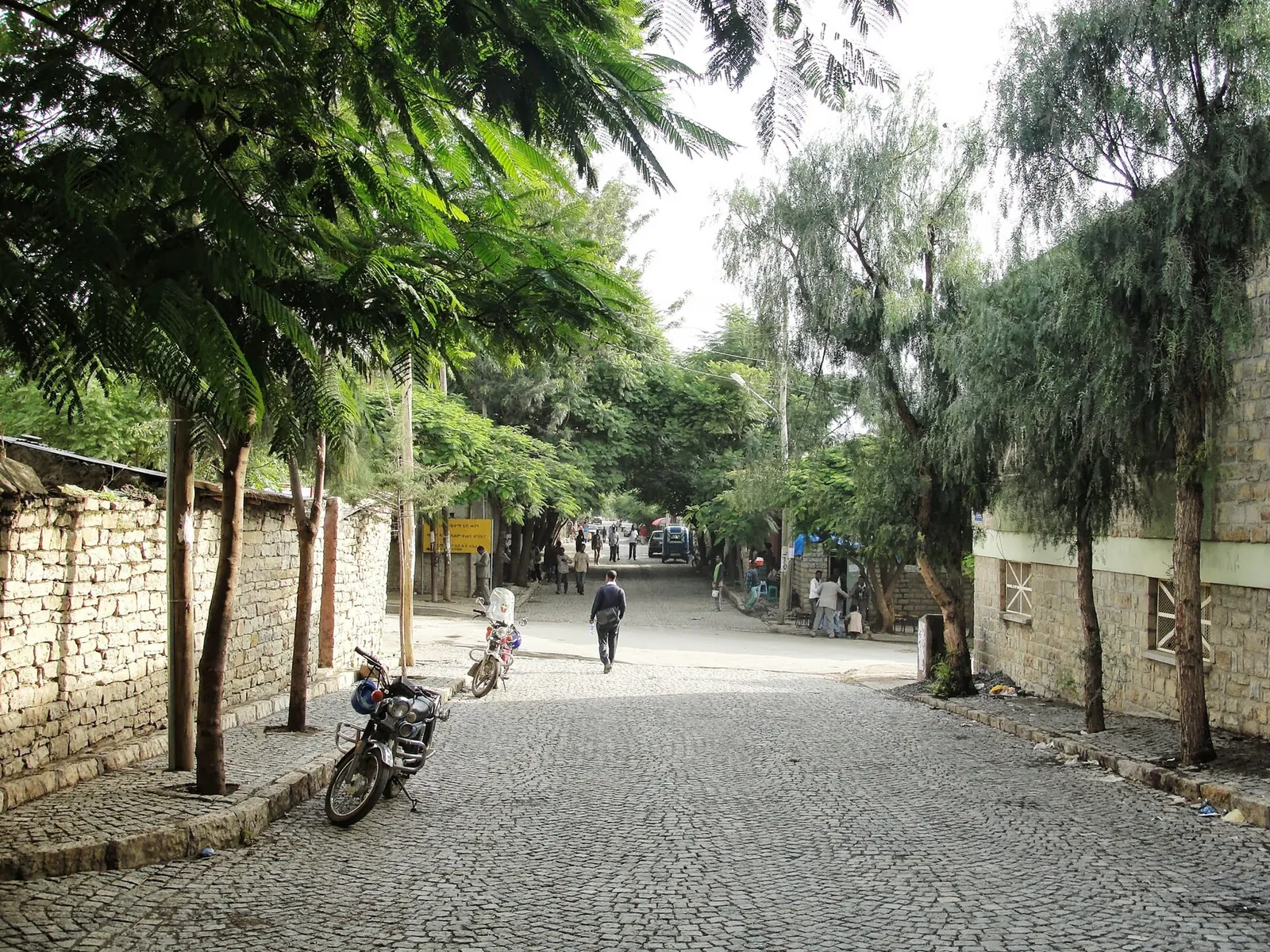
Ethiopia's federal army and the pro-government Tigray Peace Forces took control of Mekelle, the Tigray capital, over the weekend. On 4 October the TPLF said it had temporarily withdrawn from the city and would continue the fight from elsewhere.
According to Ethiopia Observer, federal forces entered the city on Saturday, 3 October; Al Jazeera dates the capture to 4 October. The TPLF presented the withdrawal not as the end of its resistance but as a strategic decision, saying it wanted to spare the city from bombardment. The same report said public buildings and police stations were looted after the takeover. Telecommunications, cut for ten days, were restored on Sunday.
The fighting began on 23 September, when seven armed and political groups announced an alliance aimed at toppling Prime Minister Abiy Ahmed's government. According to Al Jazeera, the conflict has also spread to the Afar region. The federal government plans to set up a new interim administration in Tigray and hold regional elections within a few months. The 2020–2022 war, which ended with the Pretoria agreement in November 2022, killed hundreds of thousands of people.
The constraint lies not on the front line but around it. Ethiopia severed diplomatic ties with Eritrea in early October and accuses Asmara of backing the rebel alliance. The same weekend, Egypt, Eritrea, Sudan and Somalia issued a joint declaration in New Alamein. The TPLF's decision to leave the city without a fight suggests it chose to preserve its strength and take the conflict into the countryside. That could make the Eritrean border the war's new centre of gravity.
Talay assessment
Bottom line
The fall of Mekelle hands the federal government a symbolic victory, but the TPLF's withdrawal without a fight shows it has kept its strength intact. With a seven-group alliance carrying the conflict into Afar and ties with Eritrea severed, control of the city does not mean the end of the war. The most likely direction is a protracted, low-intensity war in the countryside and along the border.
Likely effects
- Civilians in TigrayNegativeWeeks
Looting, a ten-day communications blackout and the memory of the 2020–2022 war raise the risk of a new wave of displacement and problems with humanitarian access.
- Ethiopia–Eritrea frontNegative1–6 months
The federal army massing in the north and the rupture in diplomatic ties raise the risk of direct interstate conflict on the Eritrean border.
- Balance in the Horn of AfricaNegative1–6 months
As Ethiopia is absorbed by civil war, the Egyptian-led four-state bloc is hardening, weakening Addis Ababa's regional bargaining power.
Possibilities, ranked
- 1Protracted war in the countryside55%
The TPLF and its allies keep up attacks from outside the city; the federal government sets up an interim administration but cannot secure the region.
Watch: Announcement of a Tigray interim administration and reports of fighting outside Mekelle
- 2Spillover into Eritrea25%
Direct clashes break out on the border between federal forces and Eritrea, and the war takes on an interstate dimension.
Watch: An official statement that army units have clashed on the Ethiopia–Eritrea border
- 3Negotiating table20%
Ceasefire talks begin through the African Union or regional mediators.
Watch: A new African Union mediation initiative aimed at the parties
Probabilities are calibrated judgement based on the sources, not measurement, and are revised as new information arrives. Not investment advice.
Market reaction
Indicators affected
- Groups in the anti-government alliance▼ 7
- Telecoms blackout▼ 10 days
- Start of the fighting▼ 23 September