HighIII Kinetic Conflicts & Defence19 October 2026, Monday
Russian night strike cuts power to 550,000 households
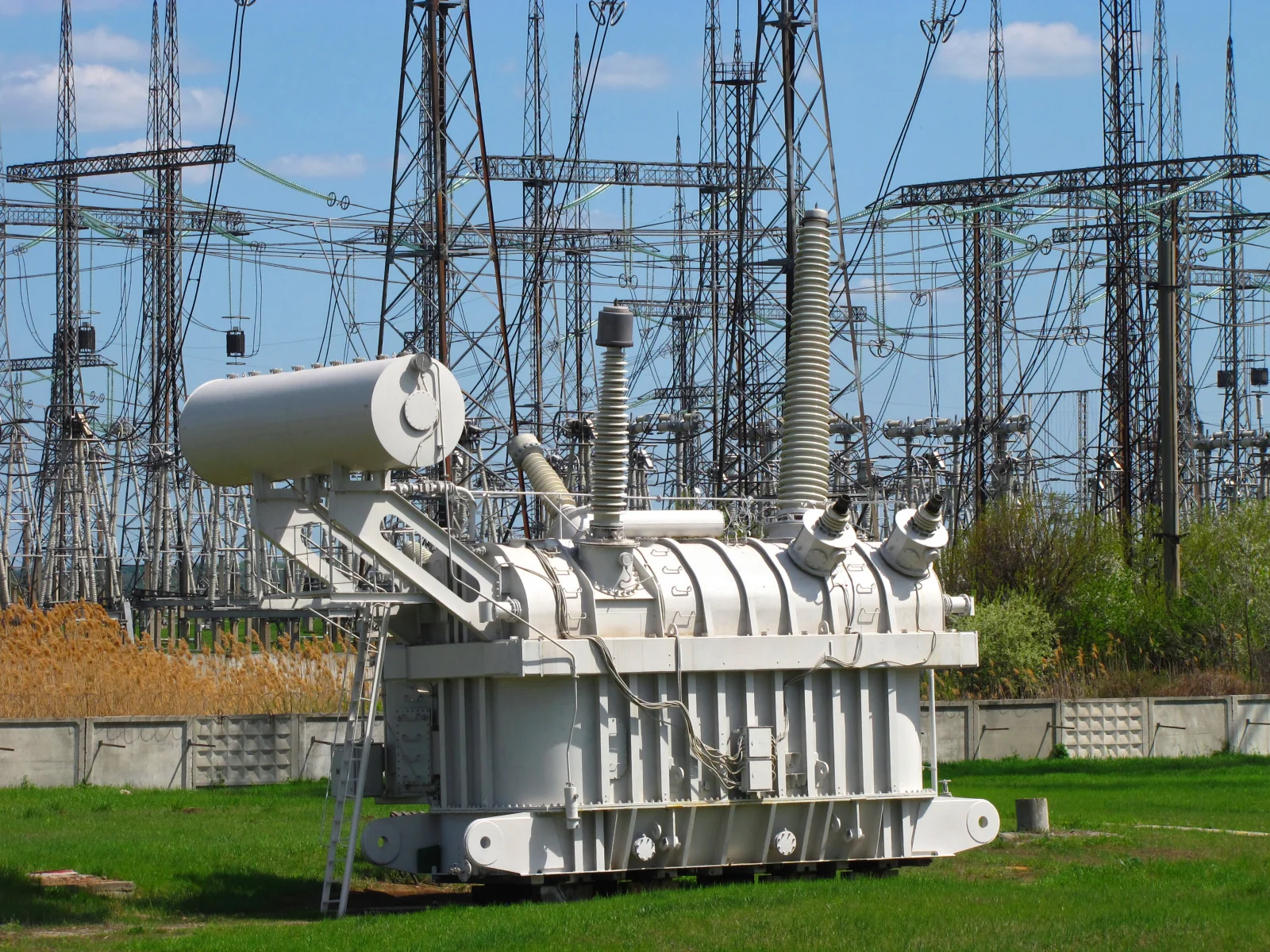
Russia fired at least 16 ballistic missiles at the capital region overnight on 19 October and about 200 drones nationwide. At least 550,000 households lost power, and Zelensky said 28 substations and critical energy sites were hit.
Ukraine's Defence Ministry said at least 16 ballistic missiles were directed at the capital region overnight, with about 200 drones used nationwide, including jet-powered Shahed variants. Zelensky first put the damage at more than 10 energy facilities; by the evening the figure had risen to 28 substations and other critical energy sites. The official notice put the number of households without power at a minimum of 550,000. AP reported a 21-year-old woman killed in the capital. Interfax-Ukraine said Ukrenergo recorded fresh outages in Volyn, Zhytomyr, Rivne, Ternopil, Khmelnytskyi, Vinnytsia, Kirovohrad, Kharkiv, Odesa and Mykolaiv.
The two sides do not agree on what was targeted. Russia's Defence Ministry said the strike hit defence-industry sites, cruise missile and drone depots, a data centre in the Kyiv region, an industrial plant and a locomotive depot. Ukraine reports the damage concentrated in power transmission infrastructure. The damage count also shifted through the day, from more than 10 facilities in the morning to 28 substations by the evening. No breakdown of missiles and drones intercepted in this attack was published; the Defence Ministry confirmed losses without giving a number.
What matters is not the number of hits but the threshold in transmission. Ukraine's grid can absorb lost generation but not lost substations. With a plant still standing, power does not reach consumers once the high-voltage link is severed. Striking 28 substations in one night therefore produces a deeper outage than any single power station attack. Load climbed at the same time. Ukrenergo measured consumption 4.5% above the same hour on 16 October, with cloud cover suppressing rooftop solar output. Some regions ran up to two outage groups from 06:00 until the end of the day, and consumers were asked to curb use between 16:00 and 22:00. Storms and rain left roughly 140 further settlements without power in the Odesa, Mykolaiv and Kyiv regions.
The attack landed on a day of rising friction between Washington and Kyiv. Zelensky said partners again gave no early warning; Rubio said he had no knowledge of the strike. Bloomberg HT reported Trump saying the same day that Zelensky was making things harder and that someone else should negotiate for Ukraine. The strike followed Trump's call for an energy truce, which neither side has formally accepted. A day earlier Ukraine had sent more than 1,000 drones into Russia and set an oil terminal in St Petersburg alight. Russia said on 18 October it had downed about 1,015 drones around Moscow and its western regions.
Talay assessment
Bottom line
The strike targets transmission, not generation; with 28 substations hit in one night, power does not reach consumers even where plants survive. Winter load has not yet peaked, and consumption already runs 4.5% above a week earlier. The most likely path is repair falling behind the strike tempo, with scheduled outages becoming routine through November.
Likely effects
- Ukraine's gridNegativeWeeks
Substation repairs take longer than plant repairs; the rolling outage schedule may harden through the winter and industry loses shifts.
- European power flowsNegativeWeeks
As Ukraine's import needs grow, draw on neighbouring grids increases and regional day-ahead prices face upward pressure.
- Ceasefire diplomacyNegative1–6 months
With energy infrastructure still in the crosshairs, the truce Washington is pressing on both sides narrows in scope; friction between Trump and Zelensky weakens the negotiating channel.
- TürkiyeNegative1–6 months
Insurance costs on the Black Sea energy and grain corridor get repriced with every round of strikes on coastal infrastructure.
Possibilities, ranked
- 1Outages become routine55%
Repair work fails to match the tempo and Ukrenergo extends its scheduled outage calendar nationwide in November.
Watch: Outage groups rising to three in Ukrenergo's daily notices
- 2Air defence restores balance30%
Interceptor deliveries from partners accelerate, hit rates on substations fall and outages stay regional.
Watch: A new Patriot and NASAMS interceptor delivery announced by the US or the EU
- 3An energy truce is written down15%
The sides agree a text pausing strikes on infrastructure and the grid gains time to repair.
Watch: An official Kremlin ceasefire statement specifying dates and scope
Probabilities are calibrated judgement based on the sources, not measurement, and are revised as new information arrives. Not investment advice.
Market reaction
Indicators affected
- Households without power▼ 550,000
- Substations and energy sites hit▼ 28
- Ballistic missiles at capital▼ 16
- Electricity consumption▼ +4.5%
Sources
- ABC News — Russia targets Kyiv with ballistic missiles, strikes energy facilities
- United24 Media — Russia keeps hitting Ukraine's power grid as 28 critical energy facilities come under attack
- PBS NewsHour (AP) — Zelenskyy says Ukraine got no early warning from partners as Russia hits the power grid again
- Interfax-Ukraine — Russian drone, missile strikes cause new outages
- Bloomberg HT — Economic and political agenda, 20 October 2026