HighV Technology Geopolitics & AI16 October 2026, Friday
China moves to bring AI models and chip designs under export controls
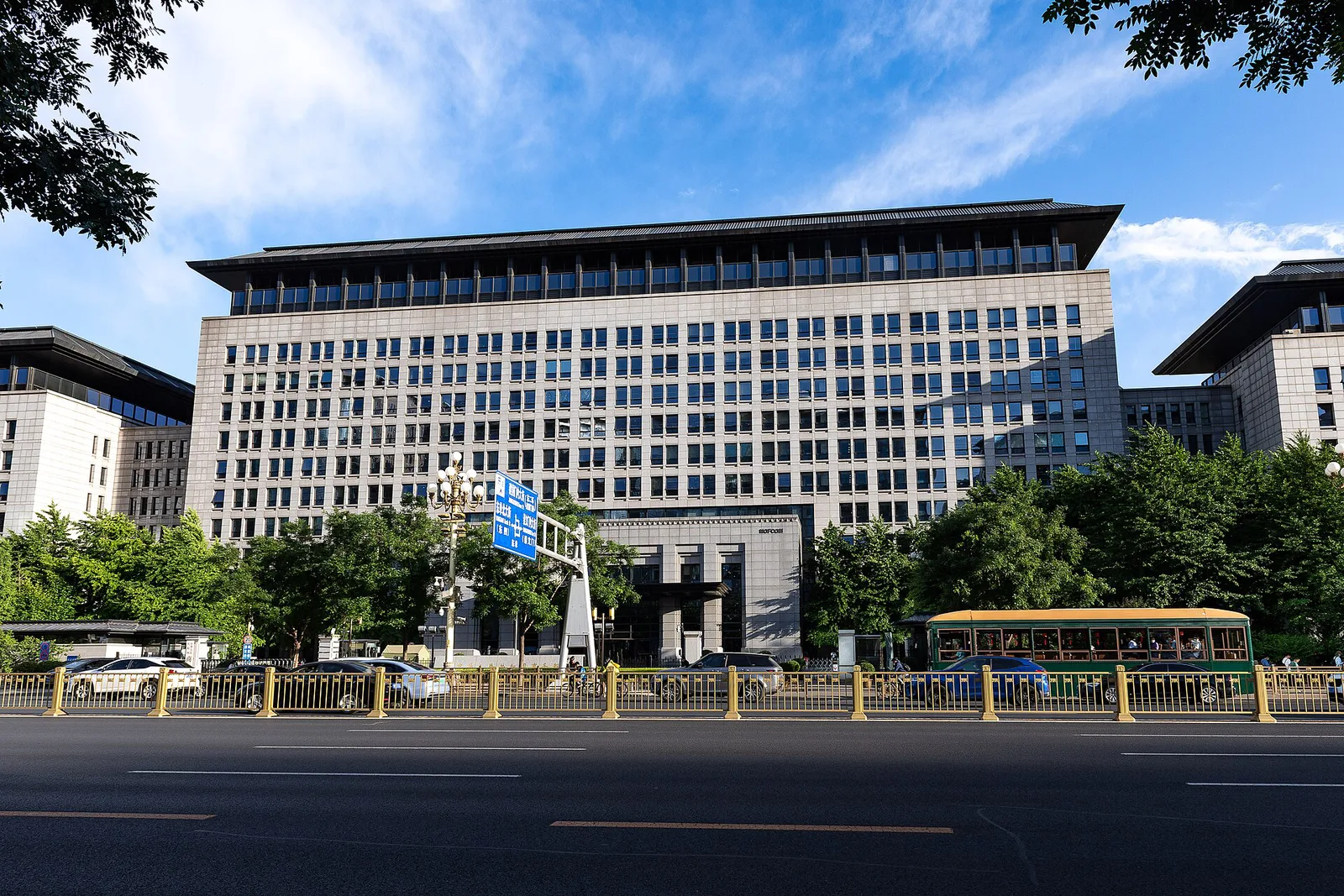
China's commerce and science ministries published a 40-item draft export control list on 16 October, 23 of them AI technologies. A registration requirement took effect the same day, and the comment period on the draft closes on 15 November.
According to The Next Web, 23 items on the list cover AI, 12 cover solar power and 5 cover biomedical technologies such as gene therapy. The controls apply to models with at least 2 trillion parameters, or to models ranking in the global top 10 on performance and safety tests. Model weights and source code are included. For chips, the threshold is design know-how for AI chips made at 14 nanometres or below, or built with 2.5D or 3D stacking. Some memory designs are also listed.
The draft exempts open-source code and published research. Chinese companies can keep serving foreign users through apps, websites and APIs. Running a covered model on a server abroad counts as an export, but a licence may be granted automatically when a company runs it on its own overseas cloud. The draft names no models. According to Bloomberg and AP, Moonshot's Kimi K3 and Alibaba's Qwen3.8-Max exceed the size threshold.
The National reported on 16 October that the ministry said the rule aims to prevent misuse and targets no country. Leonhard Xu of Sinolytics noted that the registration requirement applies at once, even to exports already in transit. According to the report, Wendy Cutler pointed to the fragility of the tariff truce extended by two months in September and said a US response was only a matter of time. IndexBox data show China's AI-related exports rose by more than 36% year on year in September, against expectations of 25.5%.
Talay assessment
Bottom line
Beijing is extending the licensing regime it built for rare earths to frontier AI models and chip design. The 2 trillion parameter threshold catches only a handful of the largest models. The open-source and API exemptions suggest China does not want to halt software exports; it wants to turn model weights and design know-how into bargaining chips. The most likely path is that the final text survives largely intact after 15 November and Washington raises it in talks over the truce extended by two months.
Likely effects
- US–China truceNegativeWeeks
The immediate registration requirement adds a new bargaining item to the truce extended by two months in September, raising the risk of a US countermove.
- Technology mergersNegative1–6 months
With cross-border IP transfers and changes of control now subject to registration, foreign buyers will find it harder to acquire Chinese AI and biomedical companies.
- Open model ecosystemUncertain1–6 months
While the open-source exemption holds, Chinese models will keep spreading to global developers through APIs and open weights.
Possibilities, ranked
- 1Text survives largely intact55%
The final list is published after 15 November with minor changes, keeping the 23 AI items and the registration requirement.
Watch: The final catalogue the Ministry of Commerce publishes after the comment period
- 2US countermove30%
Washington responds with a new chip or model restriction, and truce talks become locked on this file.
Watch: A new US Commerce Department export control rule aimed at China in November–December
- 3Draft is softened15%
Beijing raises the threshold or widens the cloud licence in exchange for the truce.
Watch: Whether the 2 trillion parameter threshold changes in the final text
Probabilities are calibrated judgement based on the sources, not measurement, and are revised as new information arrives. Not investment advice.
Market reaction
Indicators affected
- AI items▼ 23/40
- Comment period ends▼ 15 November