HighIII Kinetic Conflicts & Defence9 September 2026, Wednesday
US and Iran strike tankers in the largest wave of attacks on shipping since the war began
The US said it destroyed five Iranian tankers and Iran said it attacked ten vessels around Hormuz; Brent rose above 100 dollars for the first time since July.
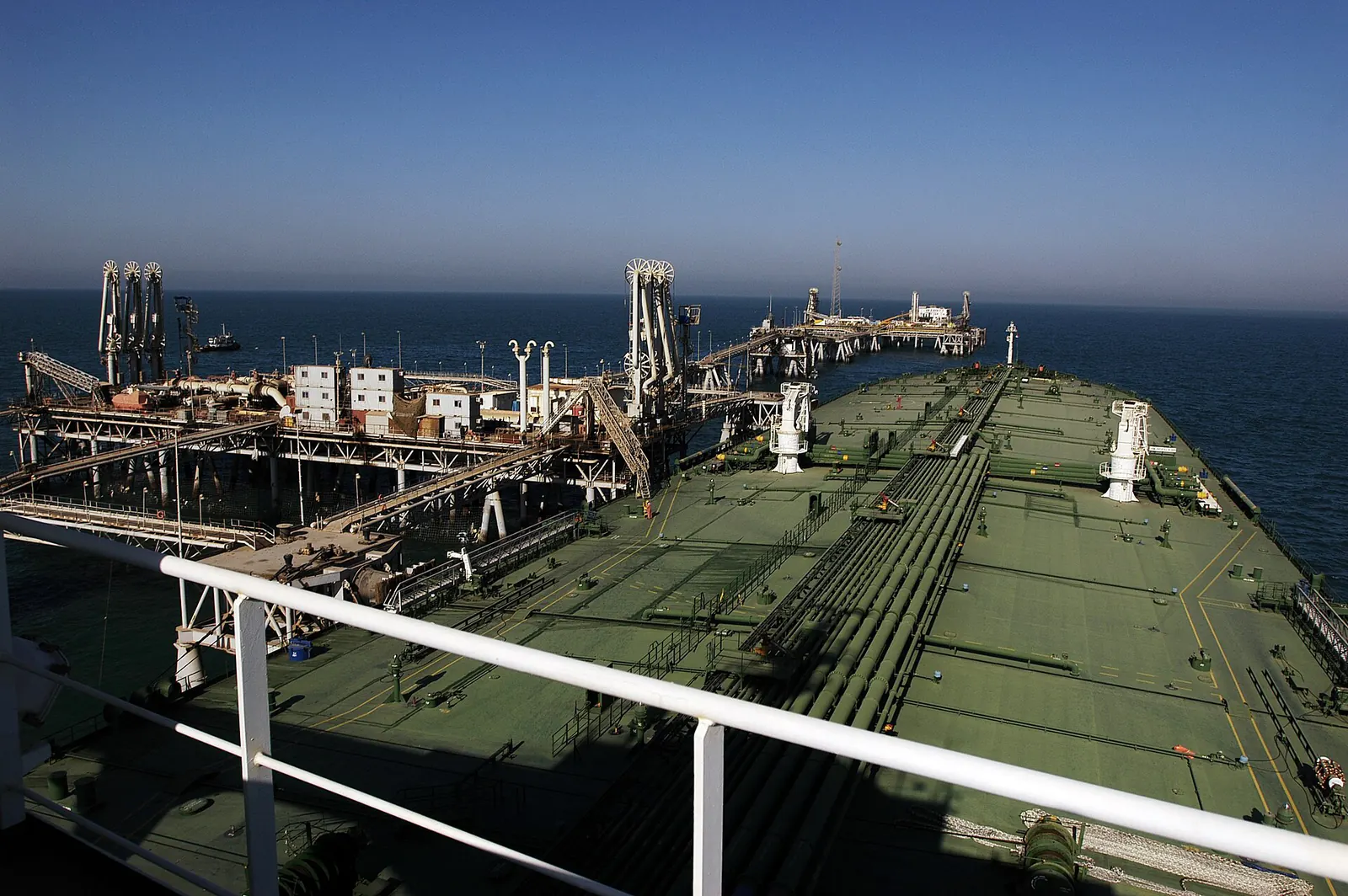
According to Defense News, the US destroyed five Iranian tankers on 9 September, while Iran announced that it had attacked ten vessels around the Strait of Hormuz. One sailor was killed and one is missing aboard the Hercules Star, which was struck off the United Arab Emirates. On the same day Iran fired 20 missiles at Al Azraq air base in Jordan, 18 of which were intercepted.
The attacks were recorded as the largest wave against commercial shipping since the start of the 2026 Hormuz crisis. Brent crude rose above 100 dollars a barrel for the first time since July. The direct targeting of tankers makes transit through the strait even more difficult in terms of war risk insurance and crew safety, and weakens the prospect of a recovery in transit numbers.
Talay assessment
Bottom line
Both sides directly targeting tankers has turned the Hormuz crisis into an open tanker war against commercial shipping. Against this backdrop, expecting a meaningful near-term recovery in transit numbers is unrealistic; war-risk insurance and crew safety are decisive. The most likely path is a maritime conflict with intermittent attacks and a persistent risk premium in oil; even an announced ceasefire would remain fragile in its first weeks.
Likely effects
- Oil pricesNegativeWeeks
Brent exceeding 100 dollars for the first time since July shows that supply losses and shipping risk are being priced in; while attacks continue, upward pressure and high volatility in oil prices persist.
- Hormuz maritime tradeNegative1–6 months
Targeting tankers raises war-risk insurance premiums and freight costs and leads shipowners to avoid the strait; Gulf exporters and Asian buyers are the most affected.
- Türkiye current accountNegative1–6 months
For energy importer Türkiye, high oil prices enlarge the energy bill and the current-account deficit, feed inflation through fuel prices and narrow the CBRT's room for easing.
- Regional securityNegativeWeeks
Iran firing missiles at an air base in Jordan raises the risk of the conflict spreading beyond Gulf waters to neighbouring countries that host US forces.
Possibilities, ranked
- 1Maritime war with intermittent attacks55%
The parties continue intermittent attacks on tankers and bases; transits stay low and Brent remains high and volatile, but the conflict does not become an uncontrolled regional war.
Watch: Daily Hormuz transit counts and changes in war-risk insurance premiums
- 2Escalation to Gulf infrastructure30%
Attacks widen to ports, terminals or energy facilities; flows through the strait fall further and oil prices spike sharply.
Watch: Attacks on Gulf ports or energy facilities and additional US military deployments
- 3De-escalation through negotiation15%
Attacks on shipping are paused through mediators; transits recover gradually, but the risk of violations stays high in the first weeks.
Watch: Statements from the parties suspending maritime attacks and consecutive rises in transit counts
Probabilities are calibrated judgement based on the sources, not measurement, and are revised as new information arrives. Not investment advice.
Market reaction
Indicators affected
- Brent▲ above $100
- Hormuz transits▼ decline
Historical context
Brent crude oil, last 6 months
- 109/09 · US and Iran strike tankers in the largest wave of attacks on shipping since the war began
- 211/09 · Drones launched from Iraq strike Saudi Arabia's East-West pipeline, which has been shut down
- 314/09 · Ship-tracking data at Hormuz contradict the US Energy Secretary's claim of 10 million barrels a day in flows