HighI Geo-Economics & Chokepoints15 September 2026, Tuesday
Panama Canal cuts its daily transit cap to 34 on 3 September and to 32 on 15 September because of El Niño-driven drought
Rainfall in the watershed in May–August was 34% below average. The transit restriction coincides with record US crude exports driven by the Hormuz crisis, and a single transit slot fetched up to 5.3 million dollars at auction.
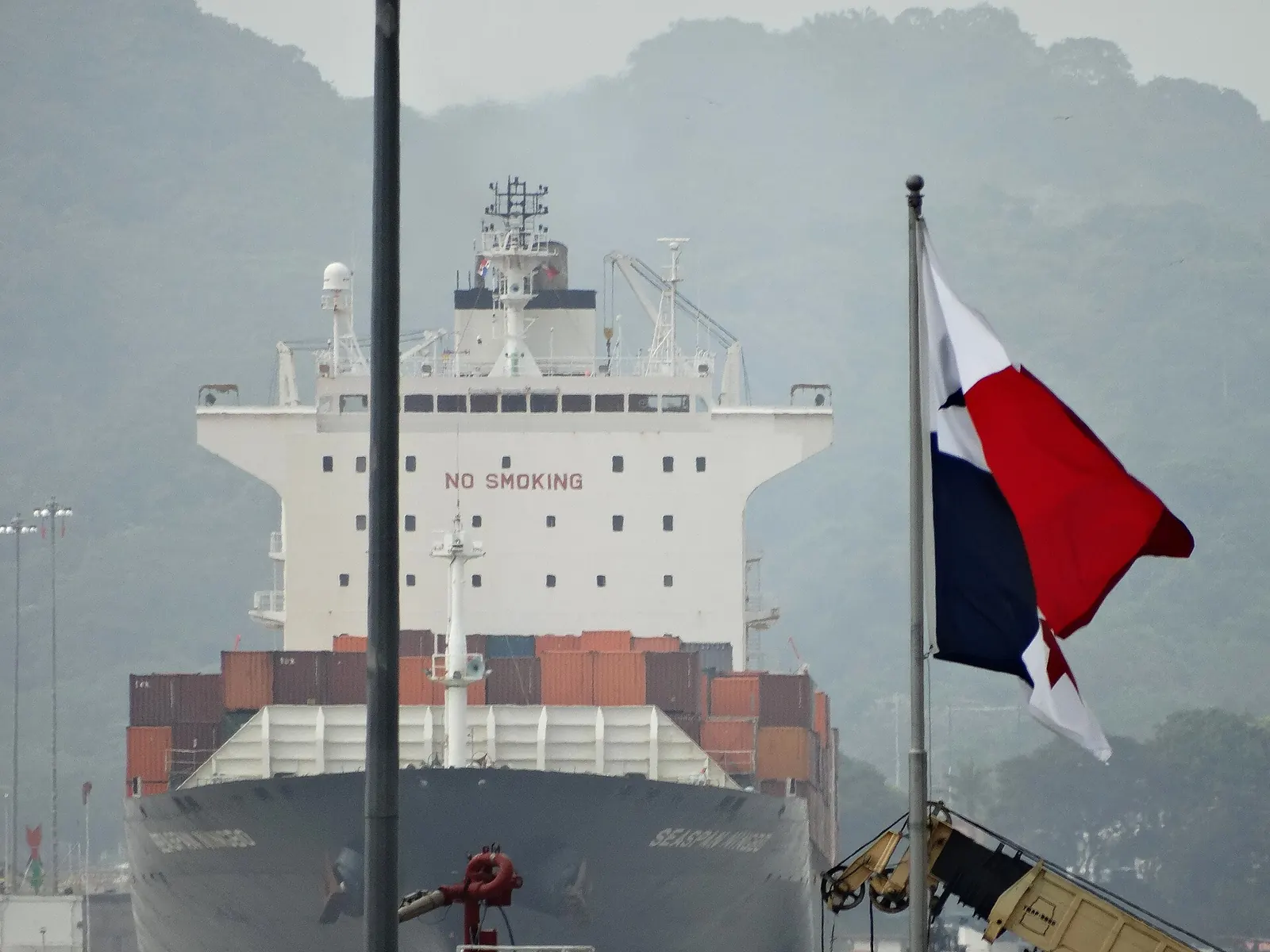
The Panama Canal Authority restricted transit capacity in an announcement published on 20 August 2026. From 3 September the number of daily slots fell to 9 at the Neopanamax locks and 25 at the Panamax locks. From 15 September Panamax slots dropped to 23, and the total daily transit cap was lowered first from 40 to 34 and then to 32. Maximum draught adjustments at the Neopanamax locks were also postponed to 2 September and 1 October. According to Al Jazeera and InvestingLive, rainfall in the watershed in May–August was 34% below the historical average and water inflow 44% below. In May the canal had said no restrictions were planned for 2026. Canal Administrator Ricaurte Vásquez warned that this El Niño episode could last markedly longer than previous ones.
The canal carries about 5% of global seaborne trade, and 70% of that traffic originates in or is bound for the US. The restriction coincided with a period in which US crude oil and LNG exports to Asia increased because of the crisis in the Strait of Hormuz. US crude exports reached 61.6 million tonnes in the second quarter of 2026, up 46% year on year. Auction prices for transit slots rose rapidly from an average of 55,000 dollars in October–February; in early September a South Korean vessel paid a record 5.3 million dollars. Analysts expect freight rates to rise and some cargoes to be routed around the Cape of Good Hope. The canal has not ruled out further restrictions.
Talay assessment
Bottom line
Read together with the canal administrator's warning that this El Niño period may last longer than previous ones, the restriction points to a capacity bottleneck spanning months rather than a temporary one. At a time when US energy flows to Asia have increased because of the Hormuz crisis, it raises transit and freight costs and diverts some cargo around the Cape of Good Hope. The most likely path is restrictions persisting over the coming months, with further curbs still possible.
Likely effects
- Global freight and energy shippingNegativeWeeks
The cut in daily transits from 40 to 32 and a record 5.3 million dollars in slot auctions raise the cost of US crude and LNG shipments to Asia; lengthier routes push freight rates higher.
- US–Asia energy tradeNegative1–6 months
As transit via Panama becomes costlier for US energy exports that have grown as an alternative to Hormuz, delivered costs for Asian buyers rise, partly eroding the competitiveness of US supply.
- Türkiye's import and logistics costsNegative1–6 months
Higher global freight rates and extended routes may feed indirectly into the cost of Türkiye's energy and raw material imports and exporters' logistics expenses.
Possibilities, ranked
- 1Restrictions persist for months55%
The daily cap stays around 32, auction prices remain high and some cargo shifts permanently to alternative routes.
Watch: Slot announcements by the Canal Authority for October onwards and basin water inflow data.
- 2Further restrictions35%
As drought deepens, the daily transit cap and draught limits are lowered further.
Watch: The daily transit cap being cut below 32, or Neopanamax draught limits being tightened.
- 3Early normalisation10%
With rainfall recovering, the canal gradually restores capacity to previous levels.
Watch: Basin rainfall approaching the average and the daily cap being raised back into the 34–40 range.
Probabilities are calibrated judgement based on the sources, not measurement, and are revised as new information arrives. Not investment advice.