HighIV Macro Policy & Sovereign Debt11 September 2026, Friday
Bank of Russia holds its rate at 14% on fuel-driven price pressure, pausing the easing cycle under way since June 2025
The Bank of Russia left its key rate at 14% on 11 September. Annual inflation rose to 6.3% as of 7 September. Production capacity squeezed by attacks on refineries is pushing fuel prices higher.
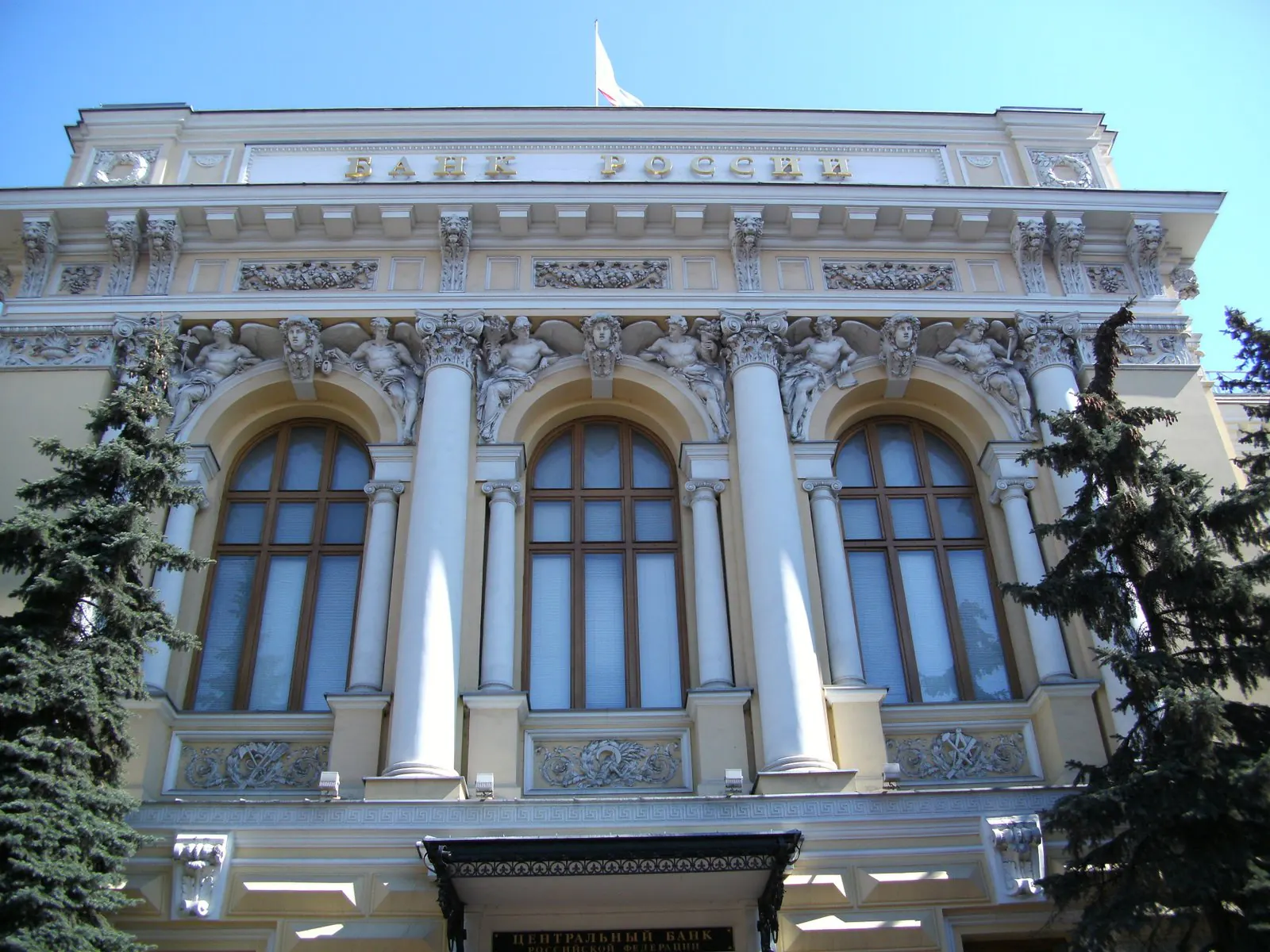
On 11 September 2026 the Bank of Russia's board of directors held the key rate at 14.00%. This halted, for the first time, the rate-cutting cycle under way since June 2025. The bank put annual inflation at 6.3% as of 7 September. In July, seasonally adjusted monthly price growth reached 11.6% in annualised terms and core inflation 7.0%. The bank estimates that underlying inflation has accelerated to 5–6% a year owing to a temporary contraction of capacity in some sectors. The 2026 inflation forecast was kept at 6.0–7.0%, and the target for 2027 is 4%. The next meeting is on 23 October.
According to The Moscow Times, Governor Elvira Nabiullina said cuts had been paused until underlying inflation is seen to be cooling and the government's budget plans become clear. Ukraine's unmanned aerial vehicle (drone) attacks on refineries are pushing up fuel prices, and this increase is also feeding through to transport and goods prices. Increased fuel imports over the summer contributed to the rouble's depreciation. The 2026 growth expectation is 0–1%. The business community had wanted the rate to fall below 12%. According to TASS (state media), the MOEX index fell 1.14% to 2,282.51 points after the decision. The budget deficit, meanwhile, narrowed from 2.8% of GDP in July to 2.5% in August.
Talay assessment
Bottom line
The decision shows that fuel-driven price pressure created by strikes on refineries now directly constrains Russian monetary policy. With inflation rising to 6.3% while growth expectations sit at 0–1%, the bank faces a dilemma. A return to cuts is difficult without cooling trend inflation and clarity on budget plans; a further hold on 23 October is the most likely path.
Likely effects
- Russian growth and creditNegative1–6 months
Keeping the rate at 14% dashes business hopes for a rate below 12%. High borrowing costs leave the 0–1% growth outlook exposed to downside risk; sectors dependent on investment and consumer credit are the most affected.
- Fuel prices and roubleNegativeWeeks
While refinery strikes continue, domestic fuel prices and fuel imports stay elevated. This feeds into transport and goods prices and keeps the rouble under pressure: a supply-side inflation channel that monetary policy cannot control.
- Türkiye–Russia tradeUncertain1–6 months
Weak growth and a rouble under pressure limit the purchasing power of Russian households and companies. This implies a risk of slowing demand for Turkish firms exporting to Russia and for tourism revenue reliant on Russian visitors.
Possibilities, ranked
- 1Rate held again on 23 October65%
Trend inflation stays in the 5–6% annual band, fuel pressure persists and budget plans remain unclear; the bank extends its pause.
Watch: Weekly inflation data for September–October and publication of the government's 2027 draft budget.
- 2Return to the easing cycle30%
Fuel prices calm, trend inflation cools and the budget deficit keeps narrowing; the bank restarts the cycle with a measured cut on 23 October.
Watch: A clear slowdown in weekly inflation and Nabiullina signalling that conditions are in place.
- 3Shift to tightening5%
Refinery strikes intensify, the rouble falls sharply and inflation expectations deteriorate; the bank is forced to raise the rate.
Watch: A sudden rouble slide and a revision of the 2026 inflation forecast above the 6.0–7.0% range.
Probabilities are calibrated judgement based on the sources, not measurement, and are revised as new information arrives. Not investment advice.
Sources
- Bank of Russia — Bank of Russia keeps the key rate at 14.00% p.a.
- The Moscow Times — Russian Central Bank Holds Key Rate at 14%
- Global Banking & Finance Review — Russian central bank holds key rate steady ahead of election
- TASS (state media) — IN BRIEF: Bank of Russia's decision to keep key rate at 14%