HighIII Kinetic Conflicts & Defence17 September 2026, Thursday
The AVT-3 unit processing 17,140 tonnes a day at the YANOS refinery in Yaroslavl was hit and crude processing stopped
Ukrainian drones struck the Slavneft-YANOS refinery 250 km north-east of Moscow overnight on 16-17 September; at the plant, which processes 15 million tonnes a year, the AVT-3 distillation unit carrying about 40% of capacity was knocked out.
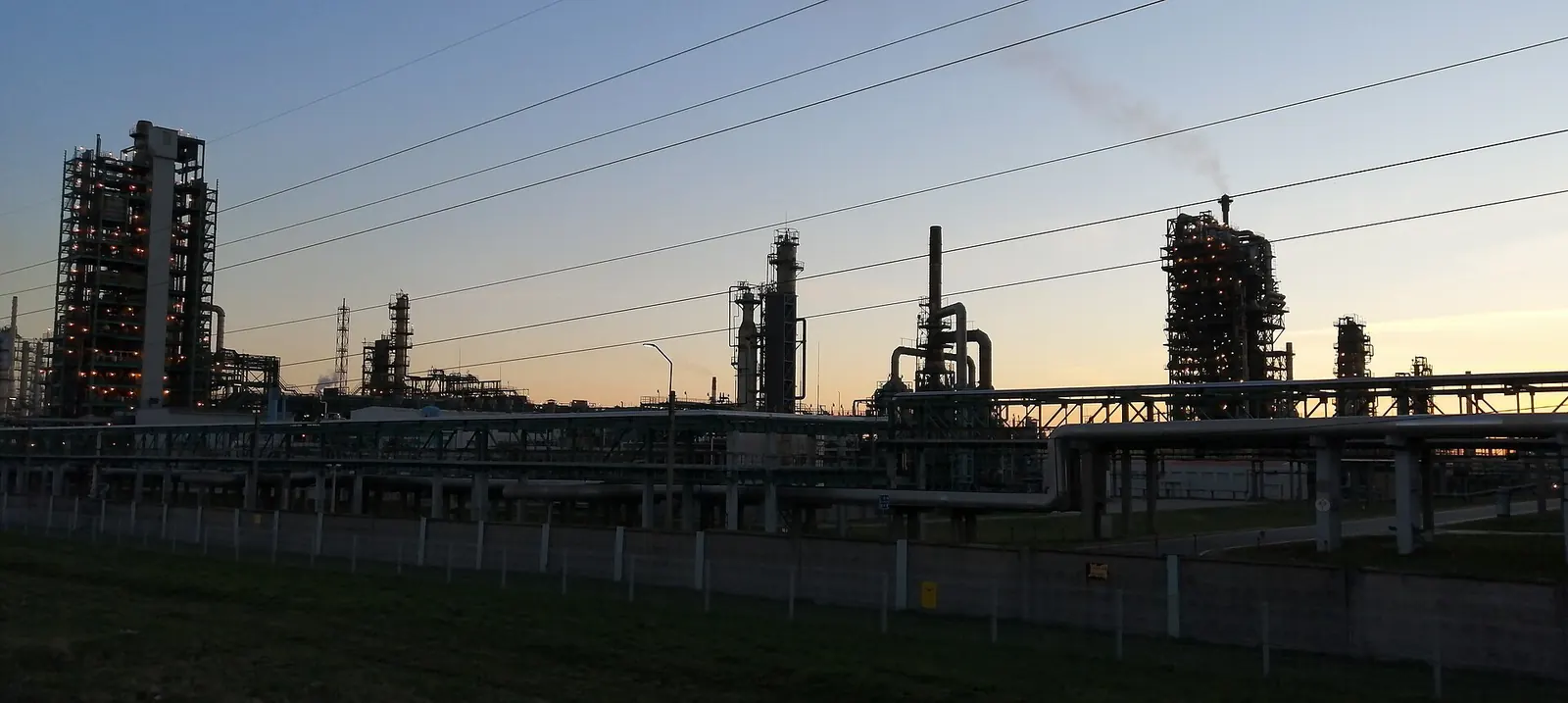
As United24 Media reported, the unit hit in the strike of 17 September 2026 was the AVT-3 primary distillation unit, with a processing capacity of 17,140 metric tonnes a day, equivalent to about 40% of the refinery's capacity. According to the same source, the AVT-4 unit, with a capacity of 14,300 tonnes a day, had already been under repair since the strike of 28 August; in other words two of the plant's three primary distillation units are out of service at the same time. The plant processes about 15 million tonnes of crude oil a year and lies 250 kilometres north-east of Moscow.
According to the Kyiv Post, the operation was carried out jointly by the SBU, the Unmanned Systems Forces, military intelligence and foreign intelligence; the Tsentralny military airfield in Rostov-on-Don was also targeted the same night, and according to the Ukrainian side's claim 1 An-12, 2 An-26s and 3 helicopters were destroyed. These loss figures could not be independently verified. The Russian side reported something different: the governor of Rostov said there were no dead or injured, while the governor of Yaroslavl, Mikhail Yevrayev, said the fire at the refinery had been completely extinguished by Thursday morning.
Sources also conflict on the number of drones shot down. The Kyiv Post reported Russian officials claiming that 65 drones had been shot down during the attack, while The Moscow Times wrote that the Russian Defence Ministry had announced intercepting 641 drones across Russia and Crimea between Wednesday night and Thursday morning. Power was cut in four districts of Rostov-on-Don; the Moscow Times reported that this affected about two-fifths of the city's population. The M-8 highway linking Yaroslavl to Moscow was temporarily closed.
Talay assessment
Bottom line
Two of the three primary distillation units being out of service at once at one of Russia's five largest refineries shows the damage is not merely a single night's fire. Ukraine's target is not tank farms but distillation columns that take months to repair. The most likely direction is that Russia maintains its export restrictions to protect the domestic market while refinery output stays under pressure ahead of winter.
Likely effects
- Russian fuel marketNegativeWeeks
The simultaneous halt of AVT-3, carrying 40% of capacity, and AVT-4, carrying 33%, directly cuts YANOS's ability to feed diesel and petrol output into the domestic market.
- Global product marketNegative1–6 months
As Russia's refinery output falls, crude shifts to exports and products to imports; that works to widen the price spread between crude and refined products.
- Türkiye's energy billNegative1–6 months
If the loss of Russian refining capacity tightens Mediterranean diesel supply, the fuel import costs of Türkiye, a product importer, rise independently of the crude oil price.
Possibilities, ranked
- 1A lengthy repair and repeated strikes55%
AVT-3 stays out of service for weeks, YANOS runs at partial capacity and the plant is targeted again.
Watch: A restart announcement from the Yaroslavl governor's office or Slavneft; reports of fresh attacks on the plant.
- 2Rapid partial recovery30%
The damage turns out to be limited, AVT-3 is partly restarted within a few weeks and processing volumes approach their previous level.
Watch: Russian officials announcing that processing volumes at the plant have returned to normal.
- 3An energy ceasefire framework15%
The parties agree on an arrangement placing energy infrastructure off limits and refinery strikes stop.
Watch: A reciprocal and verified commitment on energy targets announced by Kyiv and Moscow.
Probabilities are calibrated judgement based on the sources, not measurement, and are revised as new information arrives. Not investment advice.
Market reaction
Indicators affected
- Brent▲ upside risk
- Russian diesel supply▼ tightening
- Russian refinery insurance▼ premium rise
Historical context
Brent crude oil, last 6 months
- 109/09 · US and Iran strike tankers in the largest wave of attacks on shipping since the war began
- 211/09 · Drones launched from Iraq strike Saudi Arabia's East-West pipeline, which has been shut down
- 314/09 · Ship-tracking data at Hormuz contradict the US Energy Secretary's claim of 10 million barrels a day in flows