VI Energy Politics & Supply Security·Analysis·Middle East and North Africa
Oil futures are pricing peace while delivery costs still price war
January ICE Brent settled at $103.60 on 3 November, its lowest close since 7 October. ADNOC says the Hormuz disruption has drawn roughly 1 billion barrels from global inventories, and logistics now exceed 30% of the cost of a barrel. Paper prices and delivered costs are diverging.
Energy & Shipping Desk · 4 November 2026 · 7 min read · 7 sources
Why it matters
Noise: January ICE Brent fell 8.7% in two sessions, from $113.43 to $103.60, and the market reads this as Hormuz about to reopen. Signal: according to ADNOC chief executive Sultan Al Jaber, the disruption has pulled roughly 1 billion barrels out of global inventories. Logistics have risen from under 5% to over 30% of the cost of a barrel. On 2 November Iran tied any reopening to the lifting of the blockade. A price decline that arrives before the buffer refills remains fragile.
Implications
- According to CNBC, January Brent fell $1.17 on 3 November to settle at $103.60, while WTI slipped 37 cents to $96.09; Brent is down 8.7% from its 30 October close of $113.43.
- ADNOC chief executive Al Jaber said on 2 November that roughly 1 billion barrels had been drawn from global inventories, and that diesel stocks in some markets are at their lowest seasonal level in 35 years.
- On 2 November Baghaei tied a phased reopening of Hormuz to the lifting of the US naval blockade; war-risk premiums stood at 6–10% of hull value as of 14 October, against 0.25% before the war.
Noise
January Brent fell 8.7% in two sessions, so Hormuz is reopening
Signal
Roughly 1 billion barrels have been drawn from global inventories
The noise is a two-session sell-off; the signal is draining stocks
The January 2027 ICE Brent contract fell $1.17 on 3 November to settle at $103.60, its lowest close since 7 October. According to CNBC, WTI lost 37 cents the same day to $96.09. Brent has shed 8.7% in two sessions from its 30 October close of $113.43. The market attributes the move to a Qatari official who said on 3 November that he expected replies from both sides within 36 hours.
The signal lies beneath the price. Speaking at the opening of ADIPEC on 2 November, ADNOC chief executive Sultan Al Jaber said that roughly 1 billion barrels of crude had been drawn from global inventories since the Hormuz disruption began. In some markets, he said, diesel stocks are at their lowest seasonal level in 35 years, and others face an LNG shortfall of 600 billion cubic feet. Inventories have been eroding without replenishment since 28 February. The fall in futures is pricing expectations, nothing more.
The constraint has moved from production to delivery
Al Jaber said logistics and shipping accounted for less than 5% of the cost of a barrel before the disruption and now account for more than 30%. A heavy share of that 30% is the war-risk premium, the price of additional cover on a ship's hull against war risk. According to Insurance Business, the war-risk premium for tankers in the region stood at 6–10% of hull value as of 14 October. Before the war the rate was around 0.25%, and the premium on a single supertanker voyage can reach 20 million dollars.
Underwriters have long memories. After the June understanding the premium fell to 2%, only to return to a 7.5–10% band by late July. The Joint War Committee, the London market body that designates high-risk waters, still listed the entire Gulf as of 14 October. Nor has an incident-free period begun. According to Middle East Eye, UKMTO reported on 3 November that a tanker had been struck in its engine room by 2 projectiles some 14 nautical miles northeast of Lima in Oman.
The blockade condition keeps the gate shut
According to CBS, Foreign Ministry spokesman Baghaei said on 2 November that Iran's seven-day proposal requires the release of frozen assets and the lifting of the US naval blockade. In return, Hormuz would reopen in phases over a 7-day timetable while talks continue. On 3 November, however, security official Rezaei said he did not find the US reply convincing and that the strait would not reopen until 7 conditions were met.
Trump said there would be no new strikes before the 3 November midterm elections, but he left the option open for the period afterwards. According to the AP report cited by CBS, Netanyahu is pressing Trump for a new air campaign after 3 November. Caught between these two paths, the price is exposed to sharp moves in either direction depending on the outcome of the 36-hour Qatari window.
The bypass pipeline cannot replace the buffer
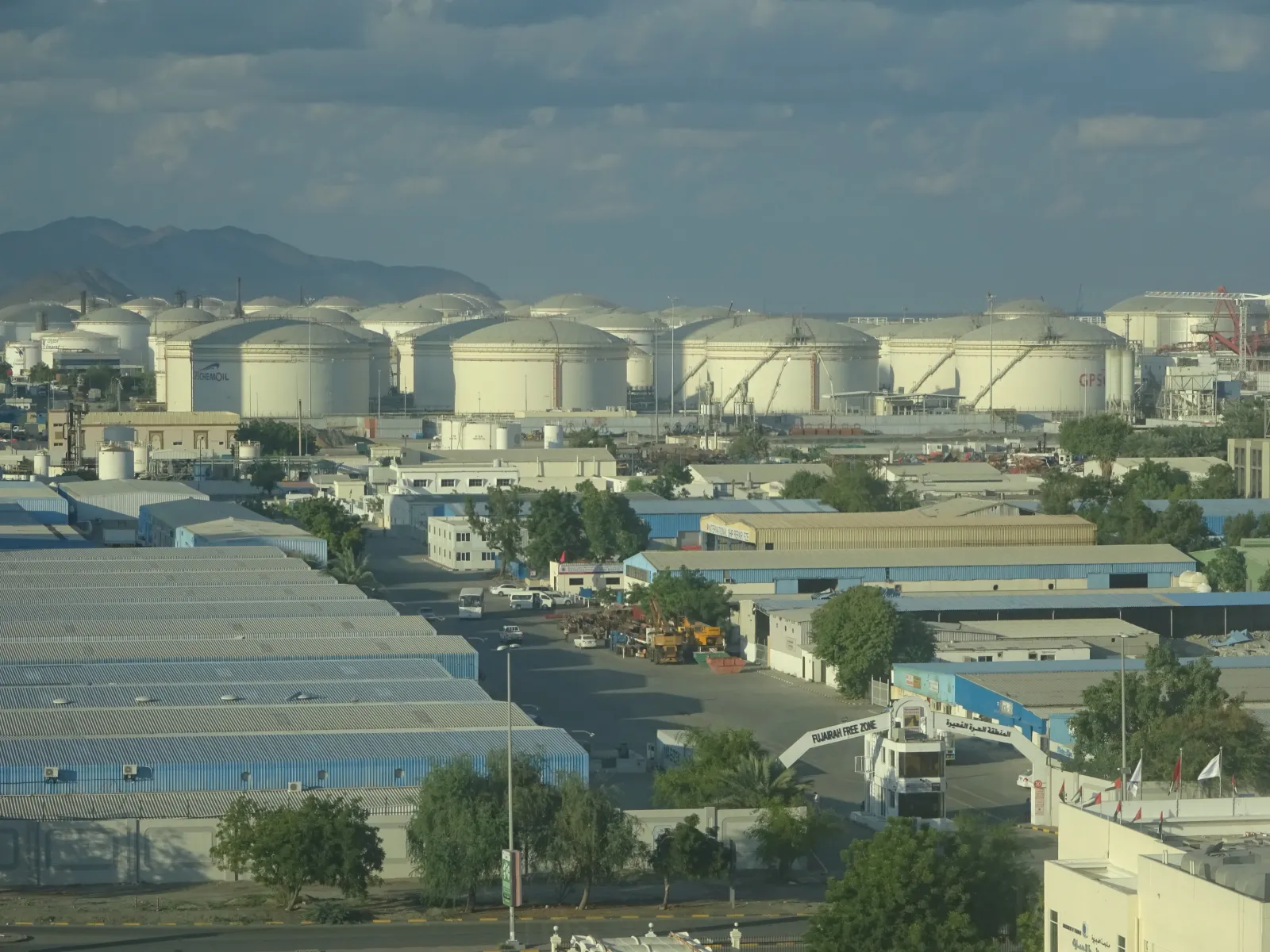
According to The National, the UAE's Habshan–Fujairah pipeline can carry at most 1.5 million barrels a day, and it is the main outlet that circumvents Hormuz. Kpler data show UAE crude and condensate exports bottoming at 2.13 million barrels a day in March before recovering to 3.94 million in June. An expansion that would double the line's capacity will not be complete until 2027. Today's ceiling is nowhere near large enough to offset a 1-billion-barrel inventory drawdown.
The counter-signal comes from the United States. Analysts expect US crude inventories to have risen by 0.9 million barrels in the week to 30 October, which would end a five-week run of draws. A single weekly build does not refill the global buffer. If builds persist for several weeks, however, the fall in futures would begin to rest on a physical footing.
What to watch
The first indicator is the outcome of Qatar's 36-hour window for replies, along with any US move on the blockade. The second is the EIA's weekly inventory report on 4 November, and whether the expected 0.9-million-barrel build materialises. The third is whether the Joint War Committee narrows the listing that, as of 14 October, covered the entire Gulf.
If January Brent drops below $100 while the war-risk premium stays above 6%, the gap between paper prices and delivered costs will widen. What would refute this reading is clear. Should daily transits, which Windward counted at around 135 before the war, exceed 60, and the premium fall back to the 2% level seen after June, the buffer thesis would weaken.
Probabilities
Scenarios
| Scenario | Probability | Trigger | Market impact |
|---|---|---|---|
| H1Settlement delayed, buffer erodes | 55% | Qatar's 36-hour window closes without result; the blockade and Iran's 7 conditions remain unresolved and attacks continue off Oman. | January Brent swings both ways on diplomatic headlines, the inventory draw continues and the war-risk premium holds in the 6–10% band. |
| H2Interim deal, slow reopening | 30% | The parties reach an interim deal on the Qatari proposal, the blockade is eased in stages and Hormuz reopens gradually. | Transits rise, but underwriters wait for an incident-free period; inventories begin to refill within weeks. |
| H3New campaign after the elections | 15% | The United States or Israel launches a new air campaign against Iran after 3 November. | The risk premium returns to October levels, the inventory draw accelerates and Gulf exports contract again. |
Module A
Constraints Matrix
STRUCTURAL AVG 4.7 · TACTICAL AVG 3.7Structural constraints dominate: the outcome is set more by these limits than by the actors' preferences.
Hard structural constraintspersistent · beyond the actors' will
The global inventory buffer has thinned
5/5ADNOC says roughly 1 billion barrels of crude have been drawn from global inventories since the Hormuz disruption began; diesel stocks in some markets are at their lowest seasonal level in 35 years.
Reopening is conditional on the blockade · Iran
5/5On 2 November Baghaei tied a phased reopening to the lifting of the US naval blockade and to frozen assets; on 3 November Rezaei said the strait would stay shut until 7 conditions were met.
Bypass pipeline capped at 1.5 million barrels
4/5The Habshan–Fujairah pipeline carries at most 1.5 million barrels a day; the expansion that would double its capacity will not be complete until 2027.
Tactical frictiontemporary · eases over time
Continuing attacks off Oman days
4/5UKMTO reported on 3 November that a tanker was struck in its engine room by 2 projectiles 14 nautical miles northeast of Lima.
War-risk premium at 6–10% of hull value weeks
4/5According to Insurance Business, tanker war-risk premiums stood at 6–10% as of 14 October, against 0.25% before the war; up to 20 million dollars per supertanker voyage.
Logistics share of the cost of a barrel months
3/5ADNOC says logistics and shipping made up less than 5% of the cost of a barrel before the disruption and now exceed 30%.
Module B
Signal vs Noise
SIGNAL 50% · NOISE 50%
- NOISE
January Brent fell 8.7% in two sessions, so Hormuz is reopening
According to CNBC, January Brent fell to $103.60 on 3 November from $113.43 on 30 October; the same day UKMTO reported a new tanker attack off Lima and Iran tied reopening to the blockade.
Data: Brent crude oil (futures) ›CNBC — Crude oil prices fall for second day as market hopes for diplomatic resolution to Iran war
- SIGNAL
Roughly 1 billion barrels have been drawn from global inventories
ADNOC chief executive Al Jaber said on 2 November that about 1 billion barrels had been drawn from stocks, and that logistics had risen from under 5% to over 30% of the cost of a barrel.
World Oil — ADNOC's Al Jaber: Energy security now measured by delivery, not just production
- SIGNAL
Reopening Hormuz depends on lifting the US blockade
Baghaei said on 2 November that the seven-day proposal carries blockade and frozen-asset conditions; Rezaei repeated the 7 conditions on 3 November.
Data: Strait of Hormuz transits ›CBS News — Iran plays down hope for deal to end war after new U.S. strikes on eve of midterm elections
- SIGNAL
The insurance threshold is 24–40 times its pre-war level
According to Insurance Business, war-risk premiums stood at 6–10% of hull value as of 14 October, against 0.25% before the war; the Joint War Committee still lists the entire Gulf.
- NOISE
UAE exports have surpassed pre-war levels
Mazrouei gave no date or volume on 2 November; Kpler puts June exports at 3.94 million barrels a day, while the bypass pipeline is capped at 1.5 million.
The National — UAE oil exports surpass prewar levels despite Hormuz disruption, energy minister says
- NOISE
US inventories are rising, so the shortage is over
Analysts expect US crude stocks to have risen 0.9 million barrels in the week to 30 October; that would be the first build in 5 weeks and is small beside a 1-billion-barrel global drawdown.
Data: US commercial crude inventories ›Rallies.ai — Oil prices ease to settle near four-week low on hopes peace talks will end wars
Module C
Asset-Class and Positioning Implications
| Asset class | Exposure | Transmission channel | H1 | H2 | H3 | Expected | Conviction | Horizon | What to watch |
|---|---|---|---|---|---|---|---|---|---|
| Commodities | Front end of the crude curve | While the inventory draw continues, the front-month scarcity premium recovers quickly from diplomatic headlines | + | −− | ++ | +0.25 | ●●● | 0–3 months | EIA weekly crude inventories and the January–February Brent spread |
| Commodities | Middle distillate (diesel) margins | With diesel stocks at a 35-year low, winter demand holds margins independent of the crude price | ++ | − | ++ | +1.10 | ●●● | 0–3 months | European and US distillate inventory data |
| Freight & insurance | War-risk premium on Gulf-origin tankers | The insurance threshold will not ease until an incident-free period begins | + | − | ++ | +0.55 | ●●● | 0–3 months | Broker war-risk premium quotes and the Joint War Committee listing |
| Sovereign debt | Bonds of energy-importing emerging markets | High delivered costs push current-account deficits and inflation paths upwards | − | + | −− | −0.55 | ●●● | 3–12 months | Türkiye's energy import bill and tr-cds |
| Volatility | Oil options volatility | The gap between diplomatic headlines and the physical constraint produces sharp moves in both directions | + | − | ++ | +0.55 | ●●● | 0–3 months | Qatar's reply window and UKMTO incident reports |
Second-order effects
And then what?
Starting point
ADNOC says the Hormuz disruption has drawn roughly 1 billion barrels from global inventories, yet January Brent fell 8.7% in two sessions to $103.60 on 3 November.
- 1
Refining marginswithin weeks
Falling futures do not refill the physical buffer. With diesel stocks at a 35-year low, winter demand decouples product margins from the crude price.
Watch: Weekly EIA distillate inventories and European diesel stock data
- 2
Trade balancewithin months
Elevated product margins and a logistics share above 30% keep importing countries' fuel bills high despite the drop in crude.
Watch: Türkiye's November energy imports (TurkStat foreign trade data)
- 3
Monetary policywithin months
With the energy bill refusing to fall, central banks in importing economies revise their inflation paths upwards and tight policy lasts longer than expected.
Watch: CBRT inflation report and the December MPC decision
What breaks the chain
The chain breaks if the Qatari proposal becomes an interim deal that lifts the blockade, Hormuz transits exceed 60 a day and the war-risk premium falls to 2%, halting the inventory draw.
Triggers
Thresholds to watch
| Indicator | Threshold | Today | What it means |
|---|---|---|---|
| Brent crude oil (futures) | January < $100 | 103.60 | If January Brent falls below $100 while the war-risk premium is above 6%, futures will have decoupled from delivered costs |
| US commercial crude inventories | 3 consecutive weekly builds | 412.5 | Three consecutive weekly builds in US crude stocks would mark the start of a refill in the global buffer |
| Strait of Hormuz transits | > 60 transits/day | 2 | Daily transits above 60 would mean the insurance threshold has eased and the inventory draw has slowed |
Sources
- CNBC — Crude oil prices fall for second day as market hopes for diplomatic resolution to Iran war
- World Oil — ADNOC's Al Jaber: Energy security now measured by delivery, not just production
- CBS News — Iran plays down hope for deal to end war after new U.S. strikes on eve of midterm elections
- Insurance Business — Hormuz sinking hands marine war underwriters another total loss as attacks surge
- The National — UAE oil exports surpass prewar levels despite Hormuz disruption, energy minister says
- Rallies.ai — Oil prices ease to settle near four-week low on hopes peace talks will end wars
- Middle East Eye — Tanker hit by two unknown projectiles off Oman, UKMTO says
Sourcing and verification rules: methodology · Report an error: contact
Related reports
VIEnergy & Supply·In-depth analysis·Middle East and North Africa
The Gulf's spare capacity sits in the well, and insurers hold the gate
January Brent fell 7.63% on 2 November on Iran's two-day Hormuz plan. Saudi Arabia, meanwhile, produced 3.8 million barrels below capacity in September, and OPEC+ effective spare capacity stands at 0.27 million barrels. Exports, not quotas, set supply, and war cover sets exports.
Energy & Shipping Desk · 3 November 2026 · 12 min
VIIReinsurance·Analysis·Middle East and North Africa
Cheap reinsurance stops at the quay as war premiums enter the barrel
Property catastrophe reinsurance gets cheaper again in January, but in marine war, losses have overtaken premiums. A single VLCC voyage through Hormuz can pay up to 20 million dollars in war premium. That works out at about 10 dollars a barrel, which passes through freight into the cost of goods.
Energy & Shipping Desk · 3 November 2026 · 9 min
VIEnergy & Supply·Analysis·Middle East and North Africa
换月没有缓解短缺,紧张转到了1月布伦特
12月布伦特10月30日以117.64美元到期,主力报价降至113.43美元。这4.21美元的下跌是合约切换,并非缓解。1–2月价差3.87美元,仍高于我们3美元的门槛;短缺已转到新的近月合约。
Energy & Shipping Desk · 31 October 2026 · 8 min