IV Macro Policy & Sovereign Debt·Analysis·Americas
Energy shock enters its second round and central banks cannot look through
Australia raised its rate to 4.60% on 29 September, citing energy, and Spanish inflation climbed to 4.9%. Markets price a November BoE hike at 85% and an October Fed hike at 68%. Currencies with a shrinking rate differential are paying first.
Macro & Debt Markets Desk · 30 September 2026 · 7 min read · 18 sources
Why it matters
The energy shock is reaching prices in its second round, spreading from fuel into services and core inflation. The RBA raised its rate to 4.60% and Spain's core rate rose to 3.1%. The US 30-year yield sits at 5.57% despite 6 billion dollars of buybacks. Japan's 2-year yield is at its 1995 peak, and the Mexican peso passed 18 once the rate differential fell to 2.5 points. In Türkiye, Fitch expects 150 basis points of cuts while the 2-year yield, at 37.03%, stands above the policy rate. Global tightening looks likely to resolve that contradiction in favour of market pricing.
Implications
- The RBA raised its rate by 25 basis points to 4.60% on 29 September. Markets assign an 85% probability to a BoE hike in November and 68% to a Fed hike on 28 October.
- The US 30-year yield rose to 5.57% on 29 September. It has climbed by roughly 26 basis points since the 6 billion dollar buyback was announced on 9 September.
- The rate differential between Banxico and the Fed narrowed to 2.5 points and USD/MXN rose to 18.04. In Türkiye the 2-year yield, at 37.03%, is above the 37% policy rate.
Energy is now written into the decision
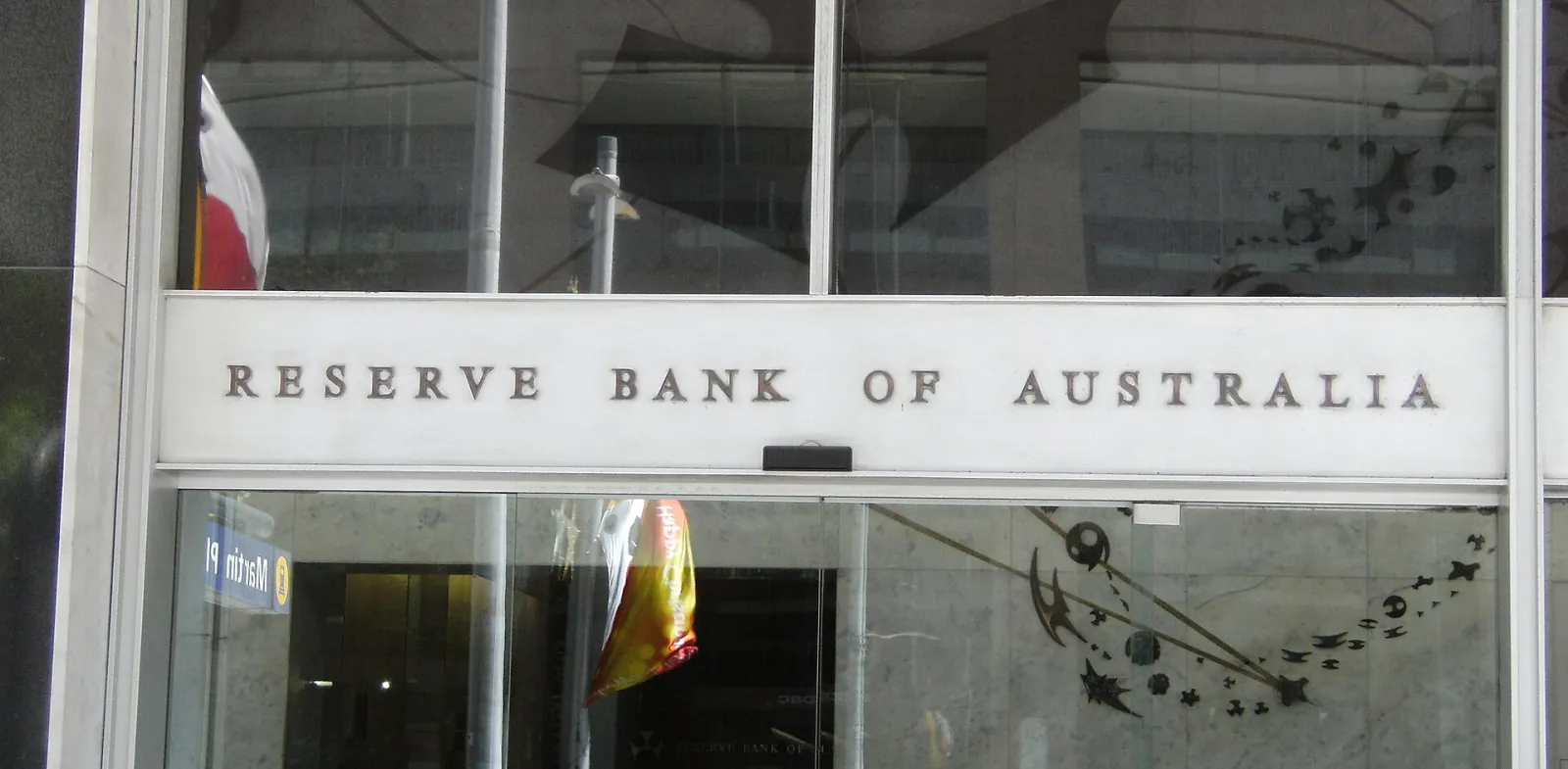
The Reserve Bank of Australia (RBA) raised its policy rate by 25 basis points to 4.60% on 29 September, and the decision was unanimous. According to Al Jazeera, this is the highest rate since 2011 and the fourth increase of 2026. The statement spelled out 2 reasons: the conflict in the Middle East has widened and global energy prices have risen sharply. Annual inflation stood at 3.5% in July, above the bank's 2–3% target range.
Central banks usually respond to an energy shock by looking through it. They treat a 1-off price rise as temporary and leave rates untouched. That stance cannot hold once second-round effects begin. The second round is the stage at which the energy price rise spreads into wages and services prices. Spain's flash estimate of 29 September shows that spread: annual inflation rose from 4.3% in August to 4.9%. The EU-harmonised index, at 5.0%, is at its highest level since February 2023. According to Euronews, energy products rose by 21.6% year on year. Services also rose by 3.9%, and core inflation climbed to 3.1%.
Markets are pricing October and November
In the United Kingdom the 10-year government bond (gilt) yield rose to 5.42% on 29 September and is trading close to its highest level since July 2007. According to Trading Economics, the yield has risen by 27 basis points over the past 1 month. Bank of England (BoE) Deputy Governor Dave Ramsden kept the possibility of a hike open on 28 September and ruled out easing in the near term. Markets assign an 85% probability to a 25 basis point increase in November from the current policy rate of 3.75%. According to the same source, roughly 4 hikes are priced in by mid-2027.
In the United States the Fed raised rates by 25 basis points on 16 September. Futures assign a 68% probability to a second step at the 28 October meeting. According to IBTimes, that probability was 55.4% 1 week earlier. The 2-year Treasury yield, the maturity most sensitive to policy rates, closed at 4.93% on 29 September, its highest in more than 2 years. The first test is the personal consumption expenditures price index, or PCE, which the Fed tracks. The August figure is expected on 30 September. According to Investing.com, the headline rate is expected to stay at 3.7% year on year and the core rate to ease to 3.2%.
The far end of the curve and Japan point the same way
The US 30-year Treasury yield rose to 5.57% on 29 September. According to Trading Economics, longer-dated yields are at their highest level since 2007. On 9 September the Treasury announced 6 billion dollars of buybacks for bonds with 10–20 year maturities, and the yield that day was 5.309%. A buyback is the Treasury repurchasing its older bonds from the market. Since that date the yield has risen by a further 26 basis points or so. This picture suggests the market is pricing inflation and the budget deficit rather than 1 liquidity tool.
In Japan the 2-year yield reached 1.975% on 28 September, its highest level since 1995. The Bank of Japan's (BoJ) policy rate is 1.25% and the market is pricing the next step at 1.5%. Tokyo Tanshi puts the probability of an October increase at 36%, while 1 increase by December is almost fully priced. According to Trading Economics, as of 30 September the 10-year yield stands at 3.10% and the 30-year yield at 4.18%. The cost of the yen, a low-rate funding source for decades, is therefore also being priced above 1.25%.
The rate differential is the first link to break
Emerging-market currencies are paying the first price of tightening. The Mexican peso lost 1.74% against the dollar on 28 September. USD/MXN rose to 18.04 on 29 September, moving above 18 for the first time since early April. Banxico's rate is 6.50% and the Fed's range is 3.75–4.00%. The gap between them has narrowed to 2.5 points, from roughly 6 points at the post-pandemic peak. A carry trade means borrowing at a low rate and investing in a higher-yielding currency, and it loses its appeal as the gap falls towards 2.5 points.
The sell-off was not confined to one country. According to the Rio Times, on 28 September the Brazilian real lost 0.86%, the Chilean peso 0.71% and the Colombian peso about 1.5%. The same source attributed the selling to 2 factors: the US 10-year yield rising to 5.244% and a higher oil price. Banxico's governor said the floating exchange rate was acting as a buffer and gave not even 1 signal of intervention.
The contradiction for Türkiye and what to watch
Fitch Senior Director Douglas Winslow said on 29 September that 150 basis points of rate cuts were possible by year-end. Türkiye is rated BB- with a stable outlook. Fitch projects year-end inflation of 30.5% and a dollar rate of 51 lira. Market data sit uneasily with that 150 basis point projection. According to Investing.com, the 2-year benchmark yield was 37.03% on 29 September, above the 37% policy rate. The country's 5-year credit default swap (CDS), the insurance premium against the risk of non-payment, stood at 249.98 basis points on 28 September.
If the CBRT cuts by 150 basis points while the Fed raises by 25 basis points on 28 October, the rate differential narrows from both ends at once. The Mexican case shows that a fall from roughly 6 points to 2.5 points carried the exchange rate above 18. With a 37% policy rate, Türkiye's differential is far wider, yet the dollar closed at 49.03 lira on 29 September. Fitch's 51 lira forecast implies a further rise of about 4% from that close.
There are 3 indicators for the next 4 weeks: the PCE figure on 30 September, Spain's final inflation reading on 14 October and the Fed decision on 28 October. If all three confirm tightening, the room for a 150 basis point cut narrows and the 2-year yield stays above 37%. This is not a forecast but a conditional reading that depends on 3 data points.
Probabilities
Scenarios
| Scenario | Probability | Trigger | Market impact |
|---|---|---|---|
| H1Broad tightening continues | 55% | The 30 September PCE figure comes in close to the 3.7% expectation and the Fed raises by 25 basis points on 28 October. The BoE follows in November and the BoJ leaves its increase until December. | Energy-driven hikes spread across 4 major central banks. The rate differential with emerging markets keeps narrowing. |
| H2Stress at the far end of the curve | 25% | PCE and employment data come in strong and the US 30-year yield moves durably above 5.57%. The BoJ raises for a 2nd consecutive time in October and the 2-year yield passes 2%. | Carry trades funded in yen and dollars unwind quickly. The sell-off in Latin America spreads to other emerging-market currencies. |
| H3Energy retreats | 20% | Oil and diesel prices fall durably and PCE comes in soft. The probability of an October hike drops back below 55.4%. | Central banks return to a holding stance and the second-round effect stays limited in core inflation. |
Module A
Constraints Matrix
STRUCTURAL AVG 3.8 · TACTICAL AVG 2.3Structural constraints dominate: the outcome is set more by these limits than by the actors' preferences.
Hard structural constraintspersistent · beyond the actors' will
Inflation above target
4/5Australia's July inflation of 3.5% is above the 2–3% range, the UK's August rate is 3.1% and Spain's harmonised index is 5.0%. There is no room left to look through the shock.
The cost of long-term US borrowing · United States
4/5The 30-year yield, at 5.57%, is at its highest level since 2007. It has risen by roughly a further 26 basis points since the 6 billion dollar buyback of 9 September.
Market rates above the policy rate in Türkiye · Türkiye
4/5The 2-year benchmark yield reached 37.03% on 29 September, above the 37% policy rate. The 5-year CDS stood at 249.98 basis points on 28 September.
The cost of yen funding · Japan
3/5The BoJ policy rate is 1.25% and the market is pricing 1.5%. The 2-year yield, at 1.975%, is at its 1995 peak and 1 increase by December is almost fully priced.
Tactical frictiontemporary · eases over time
Data calendar weeks
3/5PCE on 30 September, Spain's final inflation on 14 October and the Fed decision on 28 October arrive in quick succession. Pricing will be reset with each release.
Banxico is not intervening weeks
3/5The bank is holding its rate at 6.50% and treats the floating exchange rate as a buffer. No intervention signal was given with USD/MXN at 18.04.
BoJ timetable unclear weeks
2/5The date of the October meeting could not be verified because it does not appear in the sources. At 36%, the probability of an October increase lags the pricing for December.
Differences in the probability reading days
1/5The probability of an October hike appears as 68% in some reports and 69–70% in others. It could not be verified that the gap stems from the time of measurement.
Module B
Signal vs Noise
SIGNAL 60% · NOISE 40%
- SIGNAL
A G20 central bank tied a rate hike directly to energy prices
On 29 September the RBA unanimously raised its rate by 25 basis points to 4.60%. The statement cited the conflict in the Middle East and energy prices as its reasons.
Reserve Bank of Australia — Statement by the Monetary Policy Board: Monetary Policy Decision
- SIGNAL
The energy price rise is spreading into core inflation and services
Spain's flash inflation for September rose from 4.3% to 4.9%, and the core rate rose by 0.2 points to 3.1%. The harmonised index, at 5.0%, is at its highest since February 2023.
- SIGNAL
A narrowing rate differential is unwinding carry trades
The Banxico–Fed gap fell from roughly 6 points to 2.5 points. The peso lost 1.74% on 28 September and USD/MXN rose to 18.04 on 29 September.
FXStreet — Mexican Peso breaks 18.00 as carry trade loses its edge
- NOISE
Treasury buybacks pull long-term yields down
When the 6 billion dollar buyback was announced on 9 September the 30-year yield was 5.309%. It rose to 5.57% on 29 September, an increase of roughly 26 basis points.
Data: US 30-year yield ›Trading Economics — United States 30 Year Bond Yield
- NOISE
The path is clear for 150 basis points of cuts in Türkiye by year-end
Despite Fitch's projection of 29 September, the 2-year benchmark yield stood at 37.03% that day, above the 37% policy rate. The market is not pricing a cut.
Module C
Asset-Class and Positioning Implications
| Asset class | Exposure | Transmission channel | H1 | H2 | H3 | Expected | Conviction | Horizon | What to watch |
|---|---|---|---|---|---|---|---|---|---|
| Sovereign debt | Extended-maturity bond yields in advanced economies | Inflation and budget deficit concerns enlarge the term premium; buybacks have not stopped this pressure | + | ++ | − | +0.85 | ●●● | 0–3 months | The 5.57% level on the US 30-year yield and the 5.42% level on the gilt yield |
| FX | Emerging-market currencies that rely on carry trades | As the Fed raises rates the differential narrows and outflows from high-yielding currencies accelerate | − | −− | + | −0.85 | ●●● | 0–3 months | The 18 threshold on USD/MXN and the Fed decision on 28 October |
| Credit | Emerging-market sovereign risk premium | Higher extended-maturity dollar yields raise the cost of rolling external debt and the premium demanded | + | ++ | − | +0.85 | ●●● | 3–12 months | The 250 basis point threshold on Türkiye's 5-year CDS |
| Sovereign debt | Front end of the lira government bond yield curve | Global tightening delays expected cuts; market rates stay above the policy rate | + | ++ | −− | +0.65 | ●●● | 0–3 months | The position of the 2-year benchmark yield relative to the 37% policy rate |
| Volatility | Interest-rate and currency volatility | Back-to-back inflation releases and meetings force pricing to be reset every week | + | ++ | − | +0.85 | ●●● | 0–3 months | The 30 September PCE figure and the 68% level on the October hike probability |
| FX | Japanese yen | If the BoJ increase is brought forward, yen funding costs rise and carry trades unwind | 0 | ++ | − | +0.30 | ●●● | 3–12 months | The 2% threshold on Japan's 2-year yield and the Tokyo Tanshi probabilities |
Second-order effects
And then what?
Starting point
On 29 September the RBA raised its rate to 4.60%, citing energy prices. In Spain inflation rose to 4.9% and the core rate to 3.1%. The energy shock now shows up in rate decisions, not only in fuel prices.
- 1
Rate expectationswithin days
As inflation data confirm the second-round effect, markets bring forward hikes by the major central banks. The October probability for the Fed rose from 55.4% to 68% in 1 week, and the 2-year Treasury yield climbed to 4.93%.
Watch: The 30 September PCE figure and the CME FedWatch probability for October
- 2
Rate differential and capital flowswithin weeks
As dollar rates rise, the differential with emerging markets narrows and carry trades unwind. The Banxico–Fed gap fell to 2.5 points and the peso passed 18. If the Fed raises again on 28 October, selling spreads to other high-yielding currencies.
Watch: USD/MXN closes above 18 and the FOMC decision on 28 October
- 3
Risk premium and monetary policy roomwithin months
When the outflow wave reaches lira assets, the risk premium rises and the CBRT's room to cut narrows. The 2-year yield is already above the policy rate at 37.03%. Fitch's projected 150 basis points of cuts and its 51 lira forecast can no longer both hold.
Watch: Türkiye's 5-year CDS, the 2-year benchmark yield and the CBRT's October rate decision
What breaks the chain
The chain breaks at its first link if oil and diesel prices fall durably, PCE comes in below the 3.7% expectation and the October hike probability drops back below 55.4%. Intervention by Banxico or a delayed BoJ increase would weaken the second link.
Triggers
Thresholds to watch
| Indicator | Threshold | Today | What it means |
|---|---|---|---|
| US 30-year yield | > 5.57% | 5.56 | A sustained move above the 29 September level would show that 6 billion dollars of buybacks cannot hold the far end of the curve and that the term premium is growing. |
| Japan 30-year yield | > 4.18% | 4.18 | A move above the 30 September level would indicate that the BoJ's shift from 1.25% to 1.5% is spreading along the curve and that yen funding costs are rising. |
| Türkiye 5-year CDS | > 250 bp | 250 | Closes that settle above the 249.98 basis points of 28 September would show that global tightening is feeding into Türkiye's risk premium. |
| USD/TRY | > 51 | 49.00 | If Fitch's year-end forecast of 51 lira is exceeded before the year is out, the exchange-rate path underpinning the 150 basis point cut projection has broken down. |
Sources
- Reserve Bank of Australia — Statement by the Monetary Policy Board: Monetary Policy Decision
- Al Jazeera — Australia raises interest rates to 15-year high
- INE — Flash estimate of the CPI and HCPI, September 2026
- Euronews — Inflation in Spain surges to 4.9% in September on higher fuel prices
- Trading Economics — UK 10 Year Bond Yield
- FXStreet — BoE's Ramsden warns rising inflation risks may prompt rate hikes
- Investing.com — Wednesday's PCE Inflation Report May Boost Fed Hike Bets
- IBTimes — More Fed Officials Are Signaling Support For a New Hike Before The End Of The Year
- Trading Economics — United States 30 Year Bond Yield
- Tradingkey — US Treasury Announces Buyback Expansion to $6 Billion, Yet 10-Year Yield Soars to Two-Year High
- Finimize — Japan's 2-Year JGB Yield Slips Ahead Of A Tense Auction
- Trading Economics — Japan 10 Year Government Bond Yield
- FXStreet — Mexican Peso breaks 18.00 as carry trade loses its edge
- The Rio Times — LatAm Pre-Open, Tuesday, September 29, 2026
- Dünya — Fitch on the fund investigation: no systemic risk expected
- Investing.com — Turkey 2-Year Bond Yield Historical Data
- Investing.com — Turkey CDS 5 Years USD Historical Data
- Investing.com — USD/TRY Historical Data
Sourcing and verification rules: methodology · Report an error: contact
Related reports
IVMacro & Debt·Analysis·Türkiye and Its Neighbourhood
The board is in place but markets await a payment timetable
On 29 September Ankara placed the fund liquidation under a board chaired by the Vice President, and Fitch saw no systemic risk. The BIST 100 fell 2.40% that day to 12,290.58 points. The date and amount of the payment have still not been announced.
Macro & Debt Markets Desk · 30 September 2026 · 6 min
IVMacro & Debt·Analysis·Türkiye and Its Neighbourhood
Turkish Treasury leans on floating rates for its heaviest redemption month
In October the Treasury will roll over its entire 409.1 billion lira domestic debt service with new borrowing. At the mid-September auctions, demand for paper indexed to TLREF, which tracks the policy rate, was about 1.8 times that for the fixed-coupon bond.
Macro & Debt Markets Desk · 29 September 2026 · 7 min
IVMacro & Debt·In-depth analysis·Americas
Oil shock moves the safe haven from gold to the dollar
As Brent topped 106 dollars on 28 September, gold fell 3.3% to a seven-week low and the US 10-year yield rose to its highest level since 2007. When central banks respond to an oil shock, safe-haven demand shifts to the currency of whichever bank raises rates fastest.
Macro & Debt Markets Desk · 29 September 2026 · 10 min