III Kinetic Conflicts & DefenceSub-Saharan Africa
Somalia needs a political settlement before outside powers capture it
- Institution
- Amani Africa (Ideas Indaba)
- Author
- Abdul Mohammed and Samira Gaid
- Country · language
- Ethiopia (Horn of Africa) · English
- Affiliation
- Independent think tank (Addis Ababa)
Summary
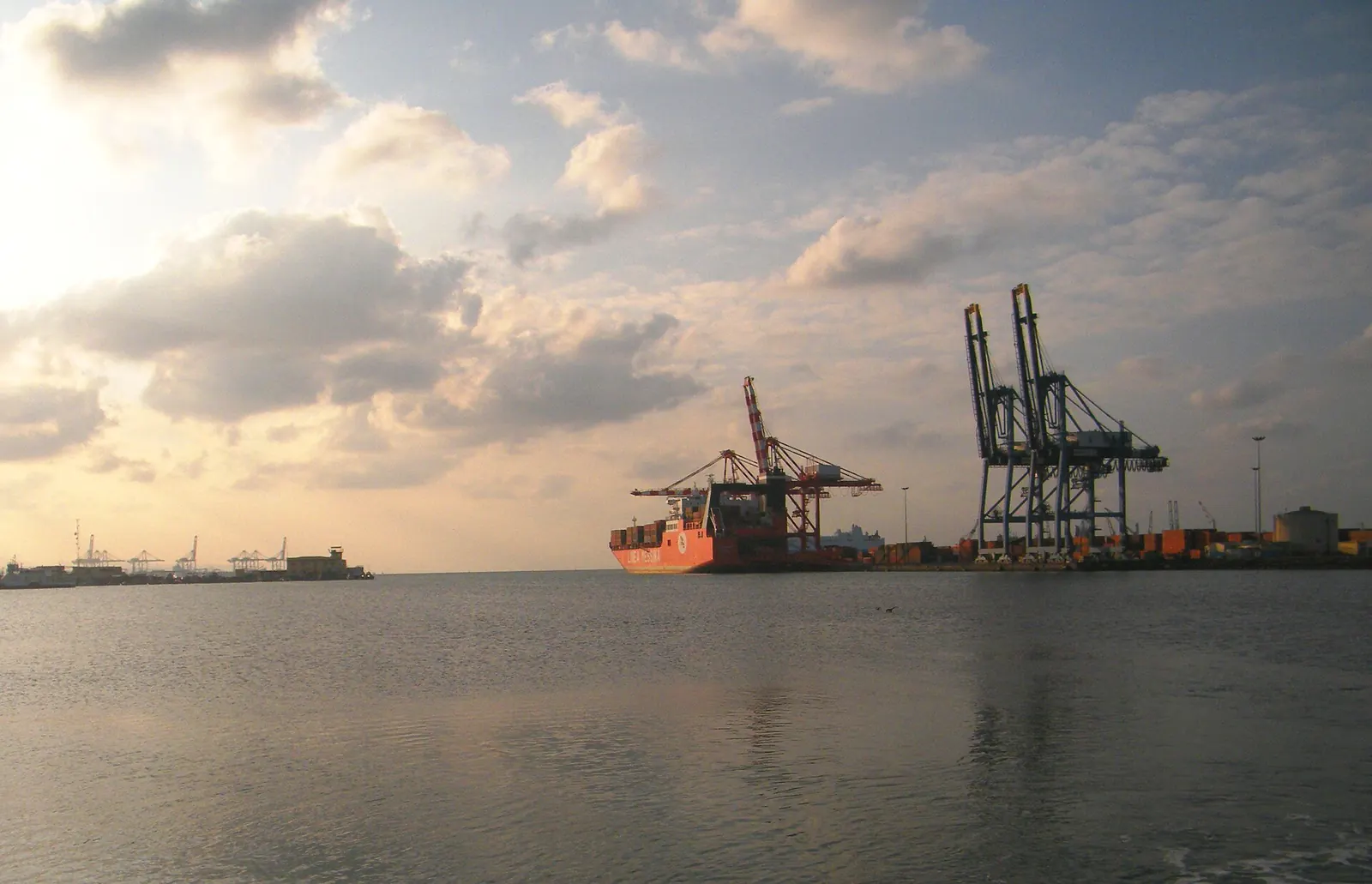
Writing for Amani Africa on 5 October 2026, Abdul Mohammed and Samira Gaid argue that Somalia's internal divisions are now fed less by clan politics than by external security relationships. Their starting point is 12 September: according to the authors, the Houthis reached Mayun (Perim) island at the mouth of the Bab el-Mandeb, through which roughly 12% of world trade by volume passes, and Washington answered Saudi Arabia's request for help with intelligence support only. The authors say the Bab el-Mandeb and the Strait of Hormuz have merged into a single theatre of war, raising the value of the Red Sea's western shore. The same week Somaliland's leader was in Washington seeking recognition; Israel had recognised Somaliland on 26 December 2025.
According to the piece, Mogadishu cancelled defence and security agreements with the UAE in January, along with deals covering the ports of Berbera, Bosaso and Kismayo; Somaliland, Puntland and Jubaland said they would keep their UAE ties. Türkiye is described as the largest single external security partner through training, a permanent facility, maritime agreements and energy exploration, while links with Egypt, Saudi Arabia and Qatar are also expanding. The authors stress that patronage is shifting from cash and weapons to irreversible assets such as recognition, basing agreements and defence relationships. The funding gap is widening as well, after the US signalled it would block financing for AUSSOM from assessed contributions beyond 31 December. They recommend public national procedures for foreign military access and port concessions, and a Somaliland political process backed by the AU and IGAD.
Blind spot
What the West misses: while Washington and Brussels read the Somalia file as counter-terrorism and piracy, the authors show the federal structure turning into a bargaining table for outside powers, with the Bab el-Mandeb war starting to shape Somaliland's status. Weakness: the piece never mentions Ethiopia or Eritrea; it lacks the effect of the Tigray war on Somali calculations and any independent confirmation of the claim that the Houthis reached Mayun.
Talay assessment
Bottom line
Amani Africa's reading suggests Somalia's next crisis may come not from the electoral dispute in Mogadishu but from basing and recognition bargains tied to the Bab el-Mandeb war. The rupture between the UAE and the federal government makes Türkiye Mogadishu's main partner and the UAE the partner of the federal member states. The most likely direction is deepening rivalry among outside partners as AUSSOM funding shrinks.
Likely effects
- Türkiye's role in SomaliaUncertain1–6 months
As the largest external security partner, Türkiye risks being seen as close to one side in the UAE split between Mogadishu and the federal member states.
- Red Sea securityNegativeWeeks
The merging of the Bab el-Mandeb and Hormuz into one front raises the military value of Berbera and the Somali coast and increases risk on a route carrying 12% of world trade.
- Peace operation fundingNegative1–6 months
The US decision to block AUSSOM financing beyond 31 December leaves the future of African forces in Somalia uncertain.
Possibilities, ranked
- 1Rivalry deepens55%
The federal government and member states lean on different outside partners, and a settlement on elections and the constitution is postponed.
Watch: New security or port agreements between the UAE and Puntland or Jubaland
- 2Somaliland recognised through war bargaining25%
Facilities at Berbera are opened to anti-Houthi operations and the US weighs recognition in that context.
Watch: A formal US statement on recognising Somaliland or on basing there
- 3African mediation comes to the fore20%
The AU and IGAD open negotiations between Mogadishu and the member states on rules for elections and foreign relations.
Watch: An AU Peace and Security Council decision on Somalia's political process
Probabilities are calibrated judgement based on the sources, not measurement, and are revised as new information arrives. Not investment advice.
Original publication: amaniafrica-et.org · 5 October 2026
This page summarises the institution's view and does not reflect the view of Talay Insight. No direct quotation is used.